Your roof does far more than keep rain out. It directly influences how much you spend on heating and cooling every month. In hot climates, it absorbs solar heat that drives up attic temperatures. In colder regions, it becomes the primary barrier preventing heat from escaping your home.
Whether you live in a high-sun southern state or a snow-heavy northern climate, roofing performance plays a major role in overall energy efficiency. Choosing the right roofing system can lower utility bills, reduce HVAC strain, extend roof lifespan, and increase long-term home value.
If you’re planning a roof replacement or evaluating your current system, understanding how roofing affects energy consumption will help you make a smarter investment.
How Roofing Impacts Energy Performance
During warm months, traditional dark roofs can reach extremely high surface temperatures. That heat transfers into the attic, raising interior temperatures and forcing your air conditioning system to work harder.
In colder climates, poor insulation and ventilation allow warm air to escape through the roof deck. This increases heating costs and can lead to issues such as ice dams.
An inefficient roof can:
- Increase monthly utility bills
- Shorten HVAC lifespan
- Create uneven indoor temperatures
- Accelerate material deterioration
Energy-efficient roofing focuses on controlling heat transfer at multiple levels — surface reflectivity, insulation depth, airflow balance, and material durability.
What Makes a Roof Energy Efficient?
Energy-efficient roofing is not one specific product. It is a combination of:
- Reflective surface materials
- Proper attic ventilation
- Adequate insulation
- High-quality installation
In warmer regions, “cool roof” materials reduce solar heat gain by reflecting sunlight and emitting absorbed heat efficiently. In colder regions, insulation and air sealing are equally critical to prevent heat loss.
Modern building codes across many states now include energy performance requirements for roofing systems. Upgrading to materials that meet or exceed these standards improves both comfort and resale value.
Comparing Energy-Efficient Roofing Materials
Cool Asphalt Shingles
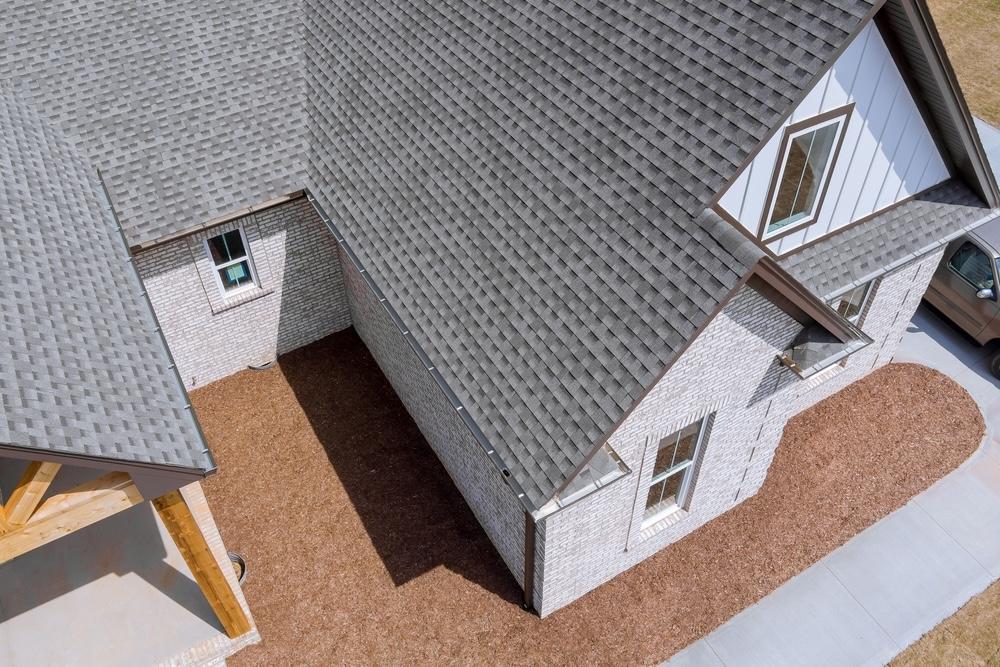
Asphalt shingles remain the most common roofing material in the United States. Today’s architectural shingles are more advanced than older versions and often include reflective granules designed to reduce heat absorption.
If you are considering asphalt, it is important to understand how 30-year architectural shingles really last in real-world conditions. Excessive attic heat can shorten lifespan, meaning energy performance and durability are directly connected.
Cool asphalt shingles offer an affordable way to improve energy efficiency without moving into premium material pricing.
Tile Roofing
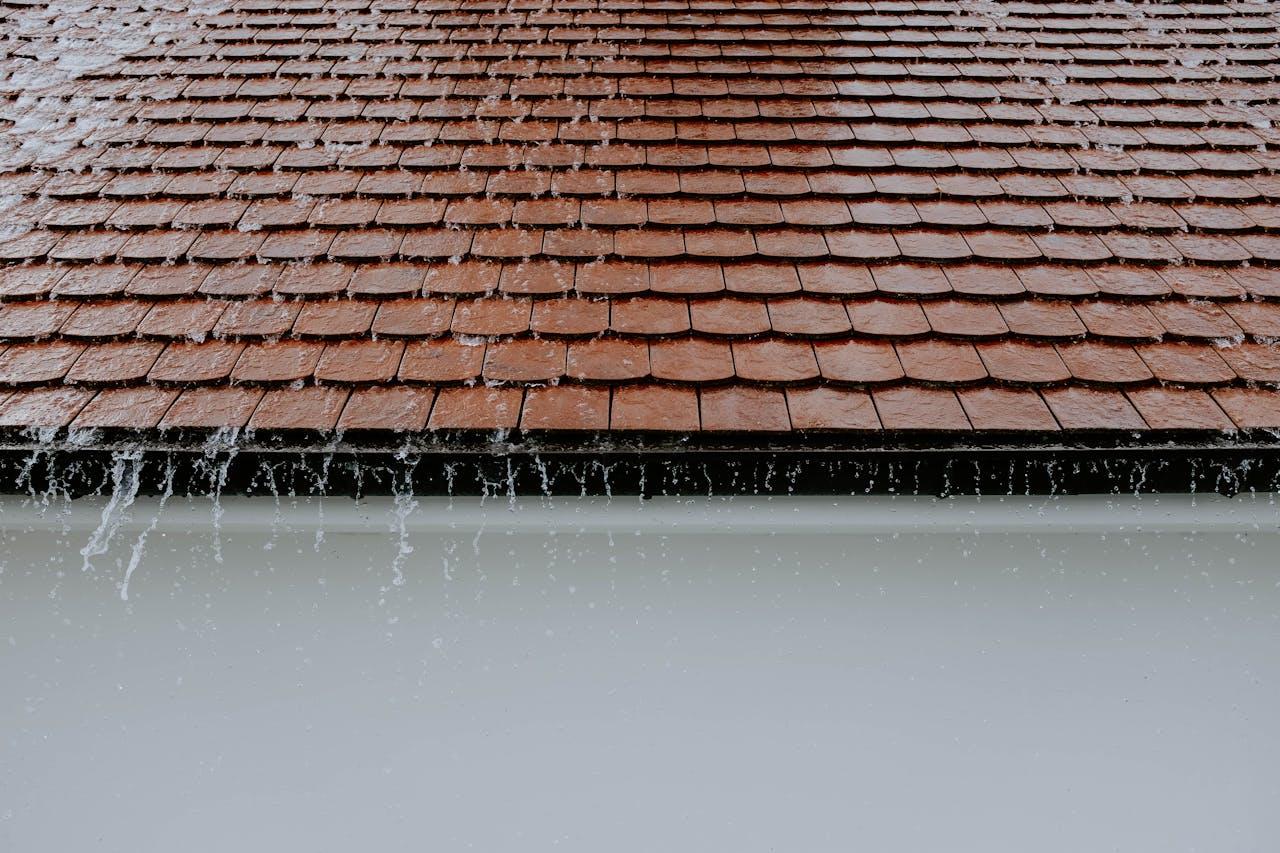
Clay and concrete tile roofs naturally perform well in warm climates due to their thermal mass and the airspace beneath the tiles. That built-in ventilation layer reduces heat transfer into the home.
Tile roofing is also known for longevity. Reviewing the typical tile roof lifespan helps explain why many homeowners see tile as a long-term investment rather than a short-term upgrade.
While tile is especially common in sun-heavy regions, it also performs well in areas with fluctuating temperatures when installed properly.
Metal Roofing
Metal roofing has become one of the most energy-efficient and durable systems available. Reflective coatings allow metal panels to deflect a significant percentage of solar radiation, reducing cooling demand in hot climates.
In colder areas, metal sheds snow efficiently and works well when paired with proper insulation and ventilation.
Metal roofs often last 40 to 70 years, making them one of the strongest long-term energy investments available in residential roofing.
Ventilation and Insulation: The System Behind the Surface
Even the most reflective roofing material will underperform without proper attic design.
Ventilation allows hot air to escape in summer and reduces moisture buildup in winter. Poor ventilation can cause premature shingle deterioration and increase cooling costs. Insulation slows heat transfer between attic and living spaces, stabilizing indoor temperatures year-round.
Energy efficiency is not about one product. It is about designing a complete roofing system where materials, airflow, and insulation work together.
Planning for Solar Integration
Many homeowners consider solar panels when replacing their roof. Installing solar on an aging roof often leads to costly panel removal when the roof eventually needs replacement.
If you are evaluating a roof upgrade, it may make sense to coordinate both projects. Exploring available roof financing options can help combine roofing improvements and solar preparation into one strategic investment.
Proper planning protects warranties, ensures structural compatibility, and prevents unnecessary labor costs later.
When Is an Energy-Efficient Upgrade Worth It?
An energy-efficient roof upgrade makes the most sense when:
- Your roof is approaching the end of its service life
- You are experiencing unusually high heating or cooling bills
- Your attic becomes extremely hot in summer or very cold in winter
- You plan to install solar panels
- Storm damage requires major repairs
If storm damage is involved, reviewing the roof insurance claim process may reveal opportunities to offset replacement costs.
If your current roof is structurally sound, improving insulation and ventilation may provide immediate efficiency gains before full replacement becomes necessary.
Installation Quality Matters
Even the most advanced roofing material will fail to deliver energy savings if installed incorrectly.
Improper flashing, unbalanced ventilation, poor underlayment selection, or incorrect fastening patterns can compromise performance. Before hiring a contractor, make sure you understand how to choose the right roofer. Installation expertise plays a critical role in energy efficiency, durability, and warranty protection.
Frequently Asked Questions About Energy-Efficient Roofing
Does an energy-efficient roof really lower utility bills?
Yes. By reducing heat gain in summer and heat loss in winter, energy-efficient roofing decreases the workload on HVAC systems. Savings vary based on climate, insulation levels, and home size, but improved thermal performance consistently reduces mechanical strain and energy demand.
Is a cool roof only beneficial in hot climates?
Cool roofs provide the greatest benefit in warmer regions where cooling demand is high. However, even in mixed climates, reflective roofing can reduce peak summer energy use. In colder regions, insulation and ventilation become equally important components of energy performance.
How long do energy-efficient roofing materials last?
Longevity depends on material type and installation quality. Asphalt shingles typically last 20 to 30 years depending on climate and maintenance. Tile and metal roofing systems can last 40 to 70 years when properly installed. Excessive attic heat can shorten lifespan, which is why ventilation matters.
Will solar panels affect my roof warranty?
In some cases, installing solar panels improperly can impact roofing warranties. That is why it is important to coordinate roof replacement and solar installation carefully. Always confirm warranty requirements before proceeding.
Should I replace my roof just for energy efficiency?
Not necessarily. If your roof still has many healthy years remaining, upgrading insulation and improving attic ventilation may provide strong energy improvements at lower cost. Full replacement becomes more practical when the roof is aging, damaged, or being upgraded for solar compatibility.
Final Thoughts
Energy-efficient roofing is not a regional trend. It is a practical strategy for improving home performance nationwide. Whether your goal is lower cooling costs, reduced winter heat loss, long-term durability, or solar integration, roofing decisions play a major role in overall efficiency.
When materials, ventilation, insulation, and professional installation work together, the result is a roof that performs better, lasts longer, and reduces energy waste.